DIV-02
Tells Division 2 what infrastructure must perform.
Explore ↗ AWWHIFHERITAGE & INNOVATION FOUNDATIONParticipate ↗
DIVISION 01
Keep the waterfront economically and operationally alive.
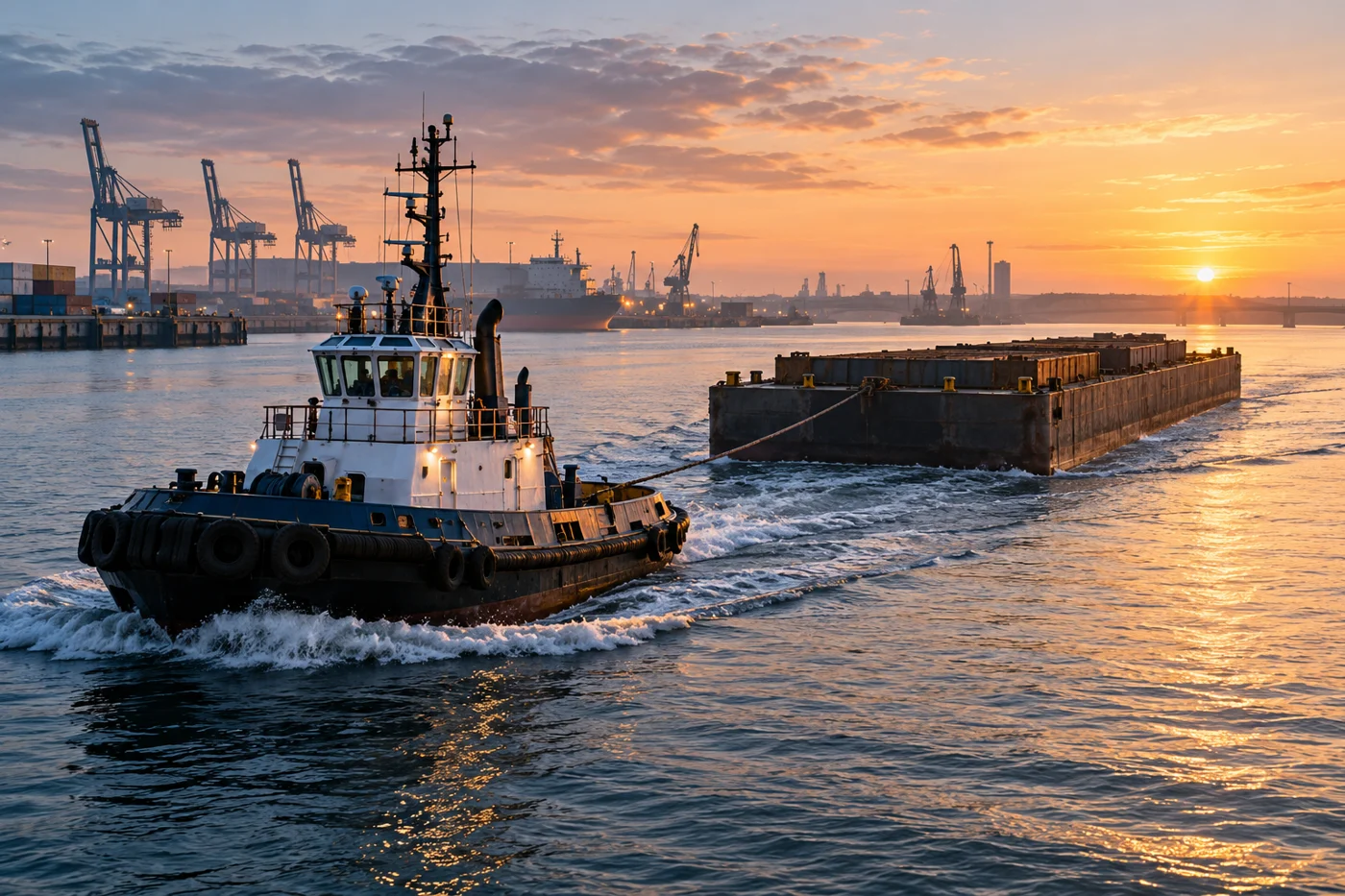
What can this waterfront actually do?
We do not begin by asking what we can build on the waterfront. We begin by asking what the waterfront can do.
A working waterfront must actually work. This division evaluates docks, berths, terminals, yards, warehouses, shops, marinas, vessel access, tenants, customers, logistics and other water-dependent or water-related activity. It identifies productive uses, protects legitimate existing maritime activity, evaluates underused assets and connects operational demand to infrastructure, workforce, funding and documentation.
AWWHIF begins with an operational diagnostic rather than a predetermined redevelopment concept. The division inventories docks, berths, terminals, yards, warehouses, shops, marinas, marine access, existing tenants, operating restrictions, available capacity, customers, and market conditions — then identifies what should remain in operation, what can be returned to productive use, what requires investment before activation, which uses are compatible, and which proposed uses would undermine essential maritime function.
Potential activity may include ship repair, workboat and public-vessel support, cargo and logistics, marine services, passenger operations, fabrication, maintenance, fishing, maritime tenants, warehousing, and other locally appropriate water-dependent or water-related uses. The mix is determined by the waterfront's actual assets, market, authority, and community — not imposed as a generic template.
AWWHIF does not assume ownership or operating authority. Property owners, ports, harbor departments, terminal operators, tenants, vessel operators, regulators, labor organizations, and other parties retain their lawful roles. AWWHIF may diagnose, coordinate, develop strategy, support procurement, manage an authorized scope, and connect operating needs to the other divisions.
Operator commitments, tenant commitments, customer demand, and capacity claims are treated as verified only when supported by appropriate evidence.
Division 1 tests whether proposed activity can create or support durable economic value — leases, berth activity, terminal or service revenue, concessions, tenant income, vessel services, or other legitimate operating revenue. Public and philanthropic capital may restore the conditions necessary for productive use, but grant funding should not be used to disguise the absence of a viable operating model where commercial sustainability is required. AWWHIF organizational revenue remains separate from owner, client, tenant, or public-project capital.
Operations provide the demand signal for Division 4. AWWHIF does not begin with training for hypothetical jobs simply because a training grant is available. Division 1 identifies actual occupations, staffing requirements, certifications, safety competencies, production needs, and employer demand — so Division 4 can build education, apprenticeship, and credential pathways tied to real waterfront work.
Measures are selected to fit the site and are not presented as achieved until verified.
Tells Division 2 what infrastructure must perform.
Explore ↗Tells Division 3 which historic assets remain part of an authentic working landscape.
Explore ↗Gives Division 4 real workforce demand.
Explore ↗Gives Division 5 the operating and economic assumptions needed for funding and implementation.
Explore ↗Gives Division 6 the work, people, skills, and transformation that should be documented.
Explore ↗Ports, terminals, shipyards, vessel services, cargo and logistics, workboats, public vessels, passenger operations, ferries, fishing, marinas, tenants, leases, vessel calls, maritime business and activation of underused waterfront assets.
Explore ↗Port meetings, lease decisions, vessel and service launches, operating procurements, maritime conferences and project milestones.
Explore ↗Port and terminal operations, vessel operations, ship repair, logistics, marine services, marina operations, waterfront management and commercial and tenant roles.
Explore ↗Vessels, yards, cranes, loading, fabrication, repair, crews, maritime businesses, operators, project activation and worker profiles.
Explore ↗Maritime organizations, publications, training, professional tools, conferences and featured employers.
Explore ↗