DIV-01
Translates Division 1's labor demand into human-capital pathways.
Explore ↗ AWWHIFHERITAGE & INNOVATION FOUNDATIONParticipate ↗
DIVISION 04
Make redevelopment create human capacity, career pathways, and knowledge — not merely buildings.
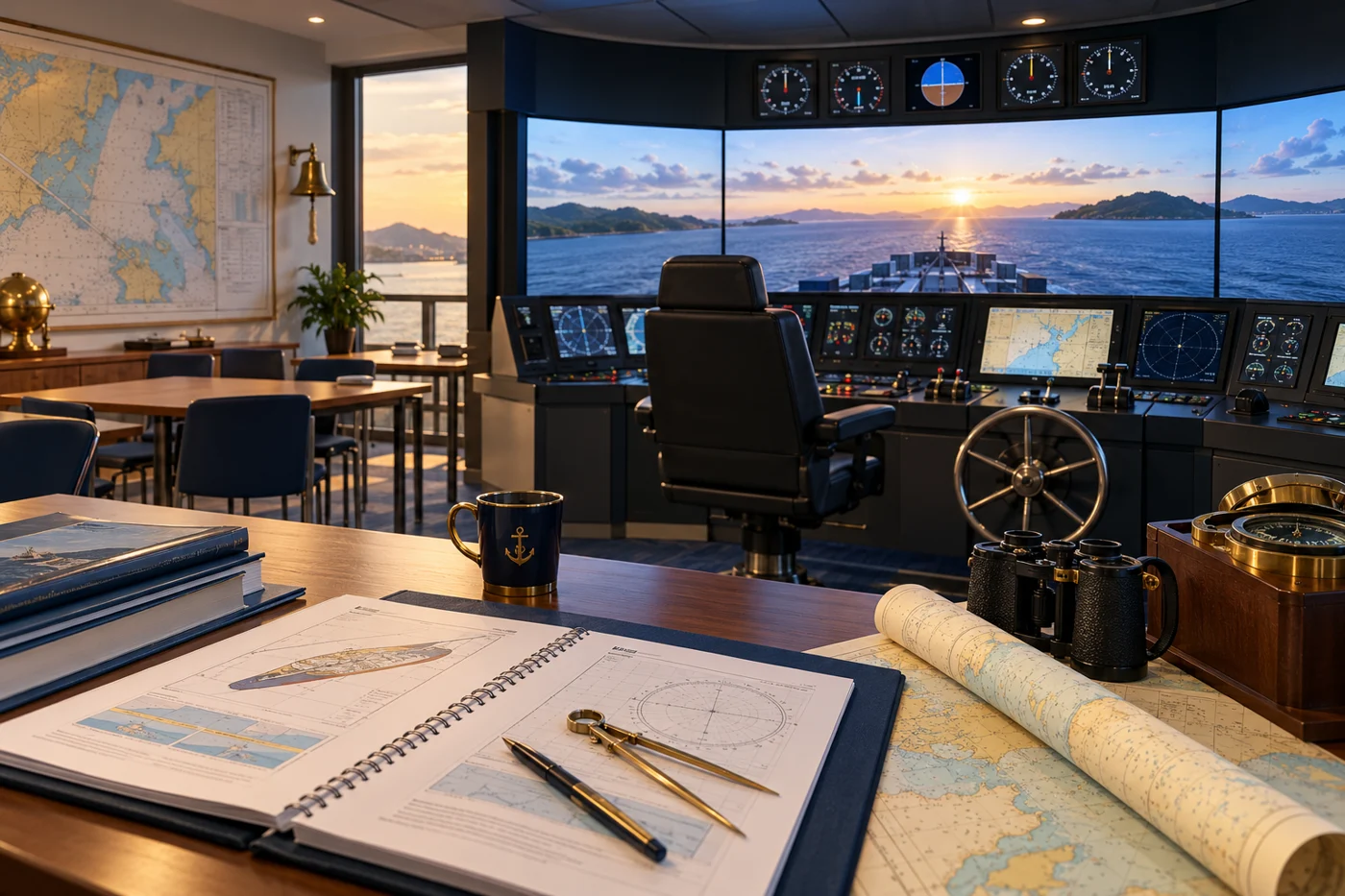
Who will learn here, who will work here, and who will inherit the waterfront?
This division connects actual waterfront demand to careers, education, credentials, apprenticeship, supervised practical experience and employment. The site should make maritime and working-waterfront careers visible to people who may never encounter them on general job platforms. Employer, union, JATC, school, college, credentialing and regulatory authority must be respected.
The division begins with workforce demand identified by operating and redevelopment plans. It maps occupations, skills, credentials, safety requirements, hiring pathways, and projected needs, then works backward to education and training. A common maritime and safety foundation can precede craft-specific pathways, with training differentiated by employer, union, apprenticeship, credentialing, or regulatory requirements.
Programs may include maritime trades, apprenticeships, internships, youth exposure, STEM and engineering education, environmental education, maritime academies, operating demonstrations, incumbent-worker development, technology adoption, and knowledge transfer. Practical experience is supervised and tied to actual work only where lawful, safe, insured, and authorized.
A training program is not presented as an employment pipeline until employers or pathways are actually established.
AWWHIF does not replace employers, unions, joint apprenticeship and training committees, schools, colleges, credentialing bodies, regulators, or training providers. Their jurisdiction and standards are respected. AWWHIF can identify demand, convene partners, develop integrated pathways, coordinate funding, create educational content, and connect training to waterfront projects.
No union, employer, school, or apprenticeship commitment is represented without documentation.
Workforce programming may be supported by government and private grants, workforce-development funds, education contracts, employer participation, philanthropy, contributions, and permissible program fees. Funding is tied to defined outcomes rather than training for its own sake. Where capital projects include lawful workforce or apprenticeship components, Division 5 can align those costs without charging the same expense to multiple sources.
This division owns the institutional workforce logic but does not assume that AWWHIF must directly deliver every course. The objective is a pathway: exposure → foundational safety and maritime knowledge → craft or professional preparation → credential → supervised practical experience → apprenticeship, internship, or employment → retention and advancement. Innovation is included when technology changes the skills required to keep the waterfront competitive and environmentally responsible.
Translates Division 1's labor demand into human-capital pathways.
Explore ↗Turns Division 2's technical work into training opportunities.
Explore ↗Uses Division 3's heritage assets as educational environments.
Explore ↗Relies on Division 5 for sustainable program funding and implementation.
Explore ↗Works with Division 6 to create training media, record skills and oral histories, and preserve knowledge that might otherwise disappear.
Explore ↗Apprenticeships, maritime schools, unions, community colleges, training providers, credentials, youth programs, STEM, workforce grants, hiring initiatives, employer demand, labor shortages and technology-driven skills.
Explore ↗Enrollment periods, apprenticeship applications, job fairs, training cohorts, credential deadlines, workforce grants and conferences.
Explore ↗Trades, apprenticeships, instructors, training staff, safety, workforce development, STEM, internships, entry-level occupations and advancement pathways.
Explore ↗Worker profiles, day-in-the-life content, welding, machining, rigging, electrical, marine mechanics, operating skills, apprentices, instructors and career explainers.
Explore ↗Courses, credential preparation, training organizations, schools, unions, apprenticeship programs, scholarships, books, tools and featured employers.
Explore ↗