DIV-01
Turns Division 1's operating requirements into physical scope.
Explore ↗ AWWHIFHERITAGE & INNOVATION FOUNDATIONParticipate ↗
DIVISION 02
Make the physical waterfront safe, resilient, environmentally responsible, and capable of supporting its next generation of uses.
What must be repaired, cleaned up, modernized or built?
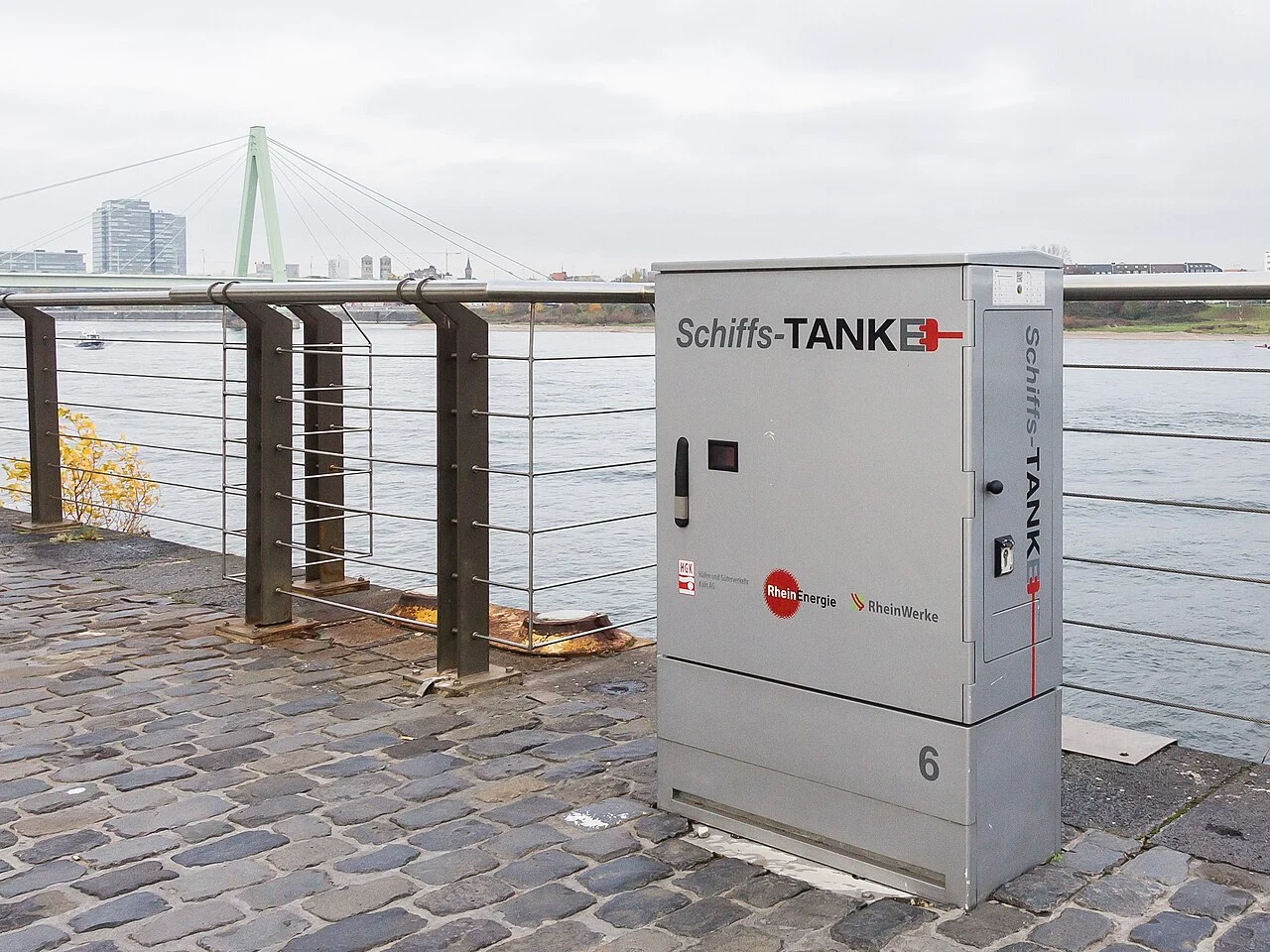
This division converts operating ambition into physical readiness. It covers piers, wharves, bulkheads, utilities, transportation access, buildings, yards, environmental conditions, remediation, resilience, stormwater, habitat, sea-level adaptation, shore power, electrification, clean energy, adaptive reuse and redevelopment sequencing. Licensed and regulated work remains with qualified professionals and agencies.
The division begins with condition and readiness: piers, wharves, bulkheads, utilities, transportation access, site systems, buildings, yards, drainage, environmental conditions, and other infrastructure required by the intended use. It identifies deficiencies, separates immediate safety or stabilization needs from modernization, and sequences work so that capital is committed in the order necessary to unlock productive use.
Environmental work is treated as part of redevelopment rather than an afterthought. Brownfields, contamination, stormwater, habitat, water quality, sea-level rise, climate resilience, and regulatory obligations are mapped against proposed uses. Energy planning can include shore power, electrification, renewable or clean-energy systems, utility upgrades, and other technologies where technically and economically appropriate.
Irreversible capital should not be committed merely to validate a question that can first be tested through evidence or a bounded pilot.
AWWHIF is not, by default, the engineer, environmental professional, architect, regulator, or property owner. It can assemble the problem, coordinate evidence, integrate scopes, manage planning, and connect technical findings to funding and implementation.
Engineering stamps, environmental determinations, title opinions, permits, regulatory approvals, and other professional or governmental acts remain with qualified professionals and agencies. Existing owner or public-agency capital programs are identified and firewalled from AWWHIF-added scopes to prevent duplication or misrepresentation.
Infrastructure and environmental projects often require blended capital. Division 2 defines fundable components — repair, resilience, remediation, transportation, clean energy, utilities, historic rehabilitation, public benefit, or other eligible scopes — so Division 5 can align each cost with lawful sources. Lifecycle cost, operations and maintenance, replacement cycles, energy savings, resilience value, and the operating value unlocked by the investment are considered alongside initial capital cost.
Construction, remediation, maintenance, electrification, utilities, resilience, and infrastructure modernization create direct training opportunities. Division 2 identifies the technical and safety competencies that can be connected to Division 4, while preserving the jurisdiction and responsibilities of licensed professionals, contractors, unions, employers, and regulators. Where safe and authorized, the work itself can become a supervised learning environment.
Turns Division 1's operating requirements into physical scope.
Explore ↗Protects Division 3 resources during modernization.
Explore ↗Creates training opportunities for Division 4.
Explore ↗Provides cost, schedule, risk, and eligibility inputs to Division 5.
Explore ↗Supplies Division 6 with the evidence needed to document cleanup, construction, restoration, technology, and environmental progress.
Explore ↗Capital projects, infrastructure condition, remediation, resilience, environmental programs, permits, shore power, electrification, offshore and clean energy, utilities and redevelopment.
Explore ↗Environmental reviews, permit hearings, construction starts, grant awards, infrastructure procurement, inspection windows and commissioning.
Explore ↗Engineering, construction, environmental and remediation, energy, resilience, utilities, project controls, permitting, planning and technical consulting.
Explore ↗Construction progress, before-during-after imagery, cleanup, remediation, infrastructure technology, environmental field work and resilience.
Explore ↗Technical publications, training, professional tools, conferences, project-management resources and qualified service organizations.
Explore ↗