DIV-01
Ensures Division 1's operating strategy respects authentic resources.
Explore ↗ AWWHIFHERITAGE & INNOVATION FOUNDATIONParticipate ↗
DIVISION 03
Preserve significant waterfront heritage without freezing the waterfront in time.
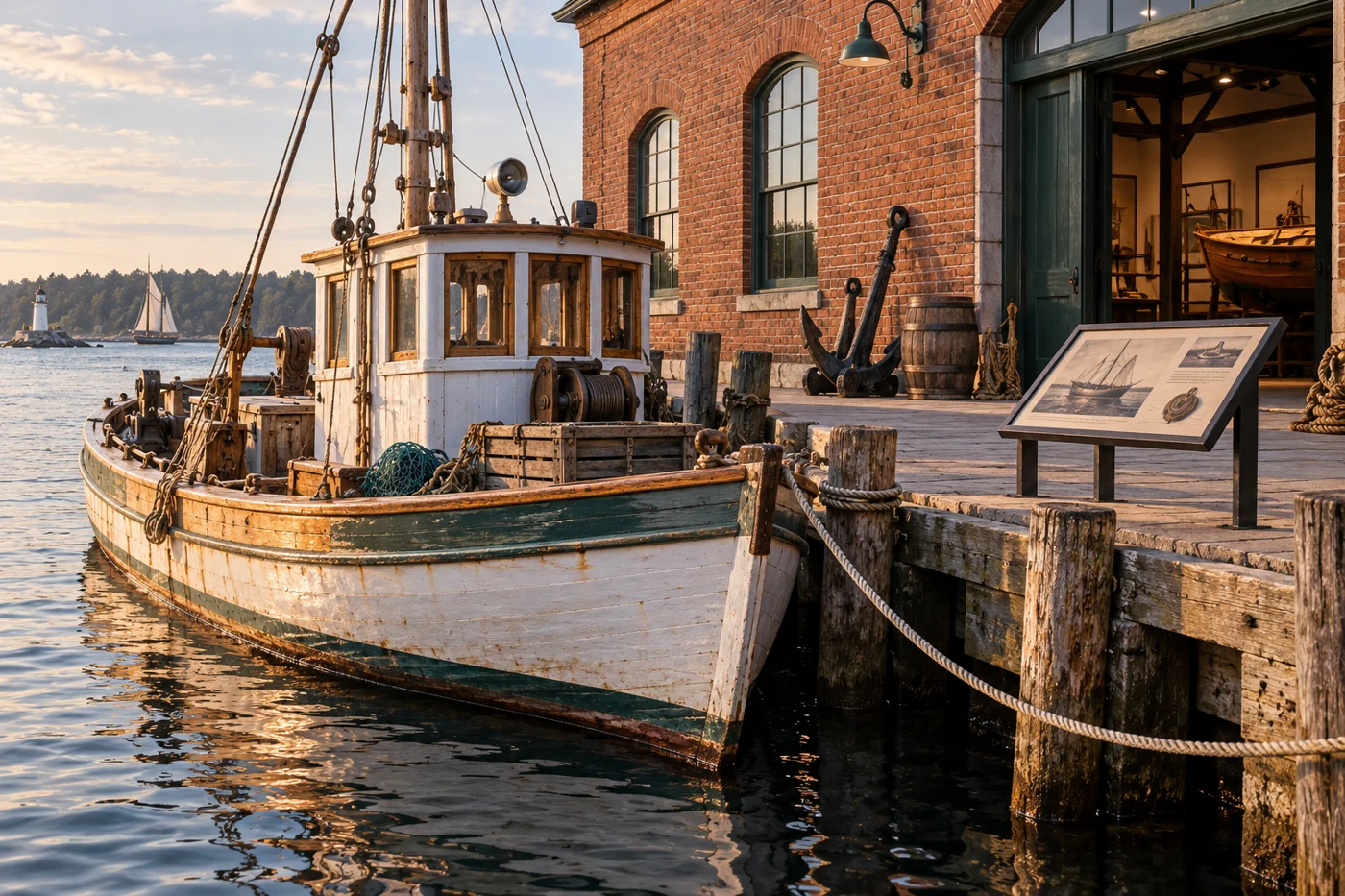
What must we save, and how can its history become part of its future?
This division treats working-waterfront heritage as living evidence. It connects historic vessels, buildings, machinery, industrial landscapes, archives, oral histories, museums, parks, interpretation and adaptive reuse to the future of the operating waterfront. Preservation must respect safe maritime operations and actual owner and agency authority.
Division 3 identifies historic buildings, vessels, machinery, industrial landscapes, transportation systems, artifacts, archives, labor history, community memory, and other cultural resources that contribute to the meaning of a waterfront. It distinguishes resources that require stabilization or formal preservation from those that can support adaptive reuse, interpretation, operating demonstrations, exhibits, tours, education, or heritage tourism.
The preferred model is continuity of use where feasible: historic resources remain connected to the work, technology, people, and landscape that created their significance. Public access is designed around safety and operational reality — restricted industrial areas remain restricted, and interpretive experiences are placed where they do not interfere with active maritime functions.
AWWHIF does not claim control over the assets or programs of property owners, preservation agencies, tribal governments, museums, archives, National Park Service units, state historic preservation offices, local landmarks bodies, maritime organizations, community groups, or other stewards.
AWWHIF can research, convene, plan, interpret, fundraise, document, and support authorized preservation work while formal determinations and owner decisions remain with the appropriate authorities.
Preservation can draw on historic-preservation grants, public humanities, cultural funding, philanthropy, sponsorship, restricted contributions, heritage programming, permissible program fees, and capital sources tied to adaptive reuse. Division 3 also tests whether preservation can reinforce the working waterfront economically — through visitor conversion, educational programming, compatible tourism, event activity, or adaptive reuse — without making commercial performance the sole measure of historic value.
Preservation itself can become a training platform. Historic machinery, vessels, structures, archives, and traditional maritime skills can support supervised instruction in restoration, interpretation, conservation, documentation, industrial history, and relevant trades. Division 4 converts those opportunities into structured learning while Division 3 protects authenticity and historical integrity.
Ensures Division 1's operating strategy respects authentic resources.
Explore ↗Helps Division 2 distinguish repair from inappropriate erasure.
Explore ↗Supplies Division 4 with heritage-based learning environments.
Explore ↗Gives Division 5 preservation and public-humanities funding components.
Explore ↗Works closely with Division 6 so physical preservation and documentary preservation reinforce one another.
Explore ↗Historic vessels, shipyards, museums, park programs, preservation grants, adaptive reuse, archives, oral histories, endangered resources, restoration and anniversaries.
Explore ↗Museum programs, preservation hearings, historic-vessel events, anniversaries, restoration milestones, heritage conferences and grant deadlines.
Explore ↗Museums, archives, preservation, interpretation, conservation, restoration trades, public history, heritage tourism and research.
Explore ↗Historical imagery, then-and-now comparisons, oral histories, machinery, restoration, archival discoveries, industrial landscapes and heritage storytelling.
Explore ↗Books, archives, museums, preservation organizations, educational resources, heritage programs and research tools.
Explore ↗